

Atrophic Jaw Rehabilitation
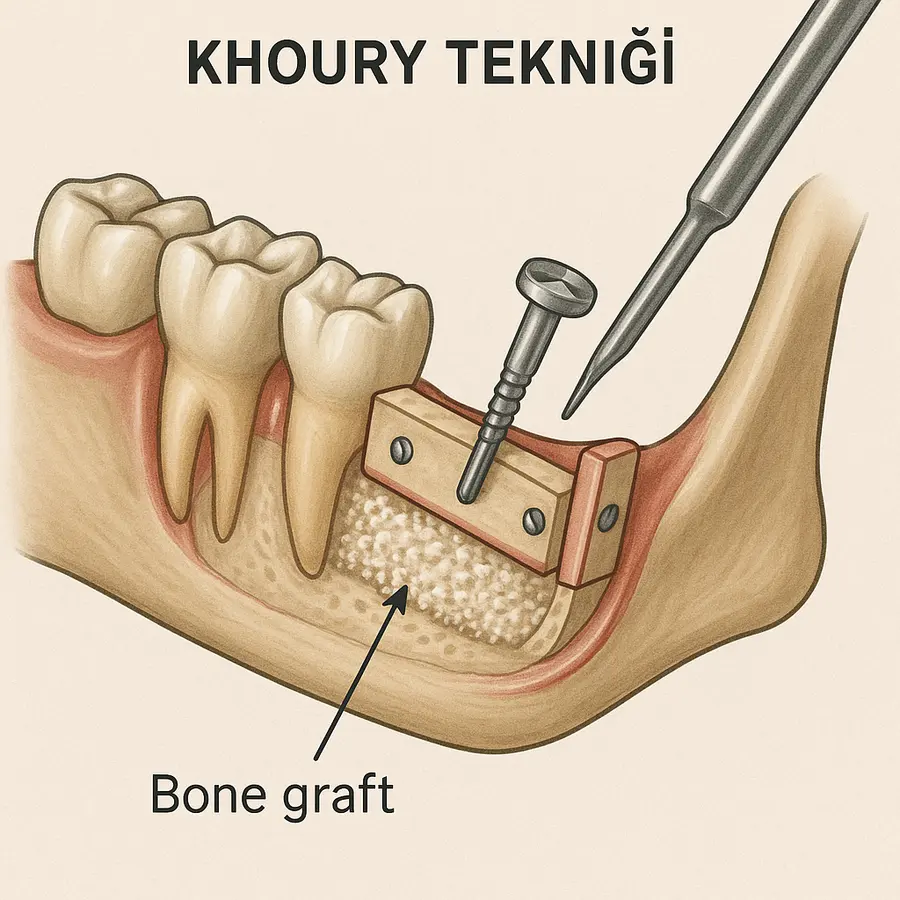
Atrophic jaw rehabilitation rebuilds a jaw that has lost bone volume after long-standing tooth loss, using bone grafts, block bone applications and advanced surgical techniques, so that implant treatment becomes possible.
Atrophic Jaw Rehabilitation
The loss of bone volume that follows long-standing tooth loss can complicate implant treatment. Atrophic jaw rehabilitation aims to rebuild the jaw structure — using bone grafts, block bone applications and advanced surgical techniques — so that it becomes suitable for implants.
This treatment is particularly important for patients with advanced bone loss.
Every treatment is planned personally after an examination and imaging. Contact us with your questions or request an appointment with the form below.
Frequently asked questions
What is an atrophic jaw?
It is a jaw that has lost bone volume, typically after teeth have been missing for a long time. Without teeth to stimulate it, the bone can gradually thin out.
Why does bone loss matter for implants?
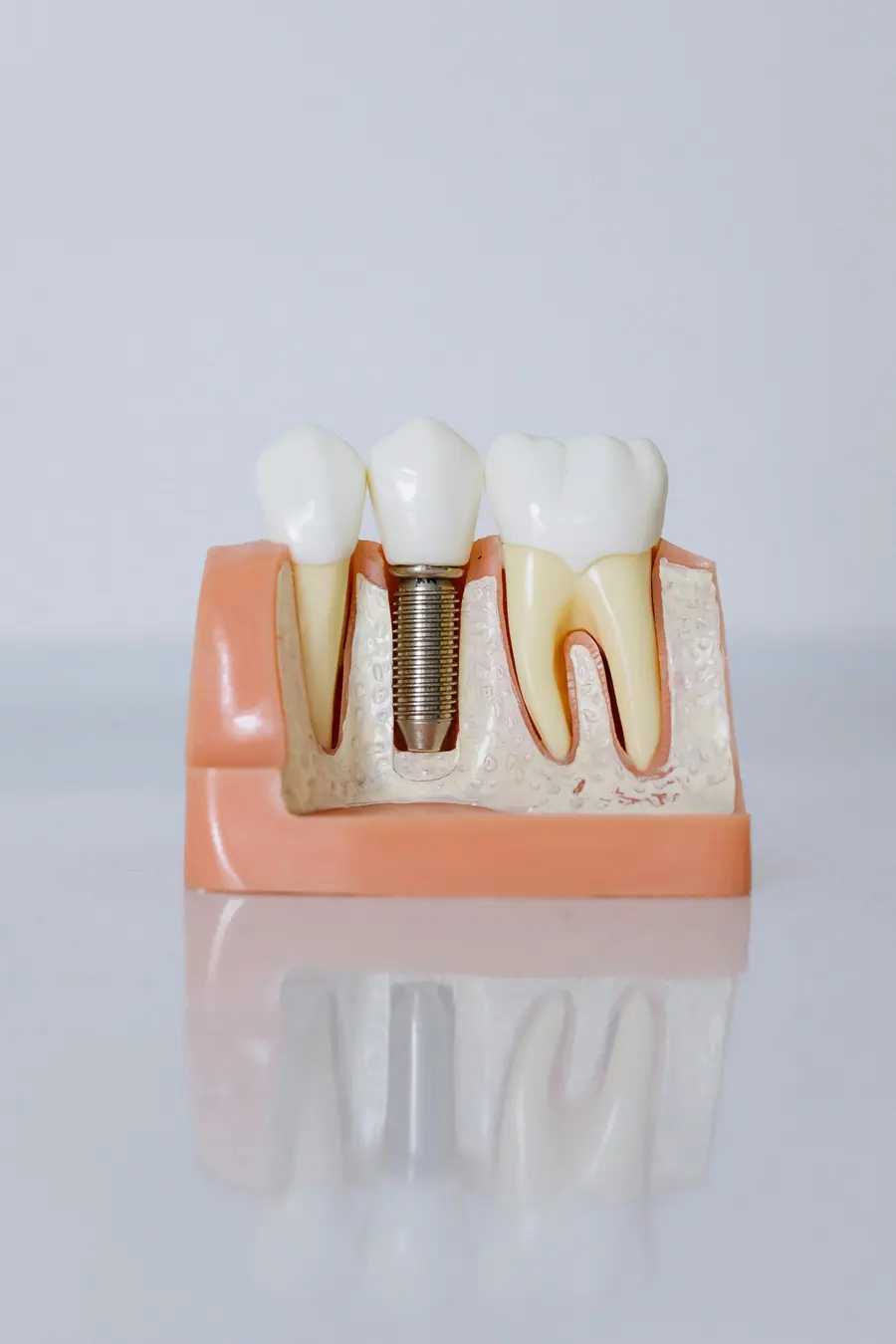
Implants are anchored in the jawbone, so reduced bone volume can complicate treatment. Rebuilding the structure aims to make the jaw suitable for implants. It is particularly important for patients with advanced bone loss.
Which techniques are used to rebuild the jaw?
Bone grafts, block bone applications and advanced surgical techniques are used. The choice depends on how much bone is missing and on the findings of the clinical examination and 3D imaging.
Are there options other than rebuilding the bone?
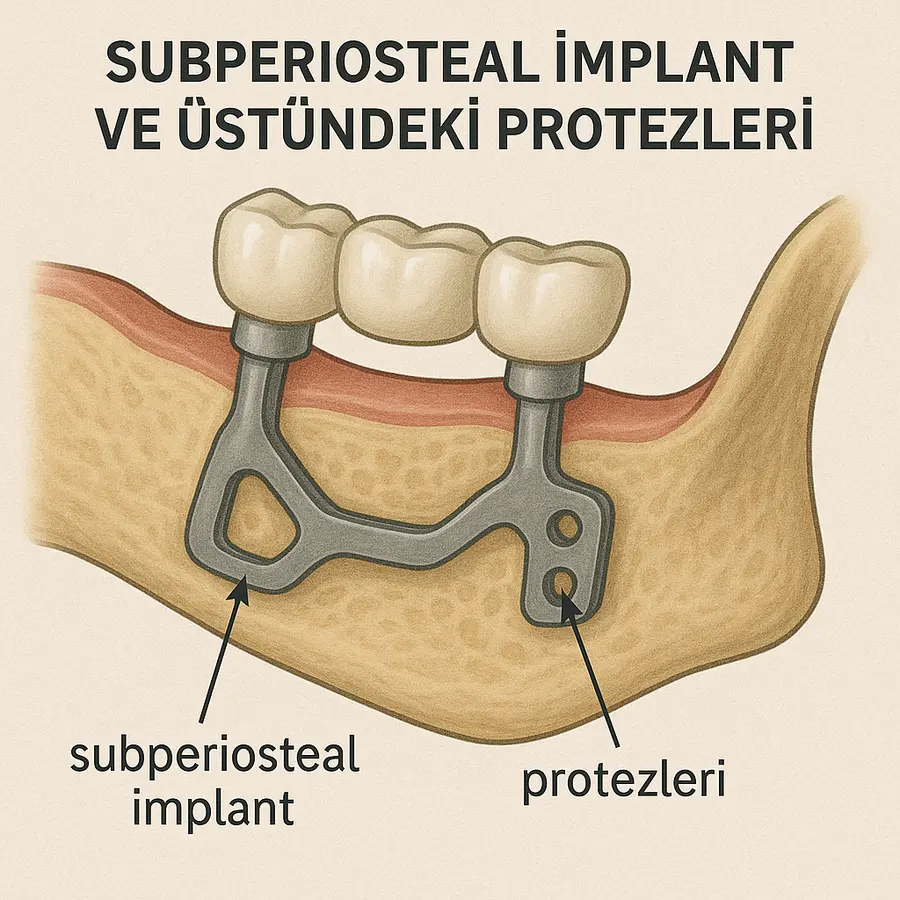
For advanced bone loss, a custom-designed subperiosteal implant, which sits on the jawbone and is made to match your anatomy, may be an option. Which route applies is decided after examination and 3D imaging.
Can I have my situation reviewed before traveling?
You can send a panoramic X-ray or CBCT scan for a preliminary opinion. The extent of bone loss can only be judged on imaging and examination, so the plan is confirmed in person.
Comprehensive Oral & Maxillofacial Surgery Services
Treatment Led by a Specialist Surgeon
Fill in the form — our team will call you back shortly to schedule your consultation.


